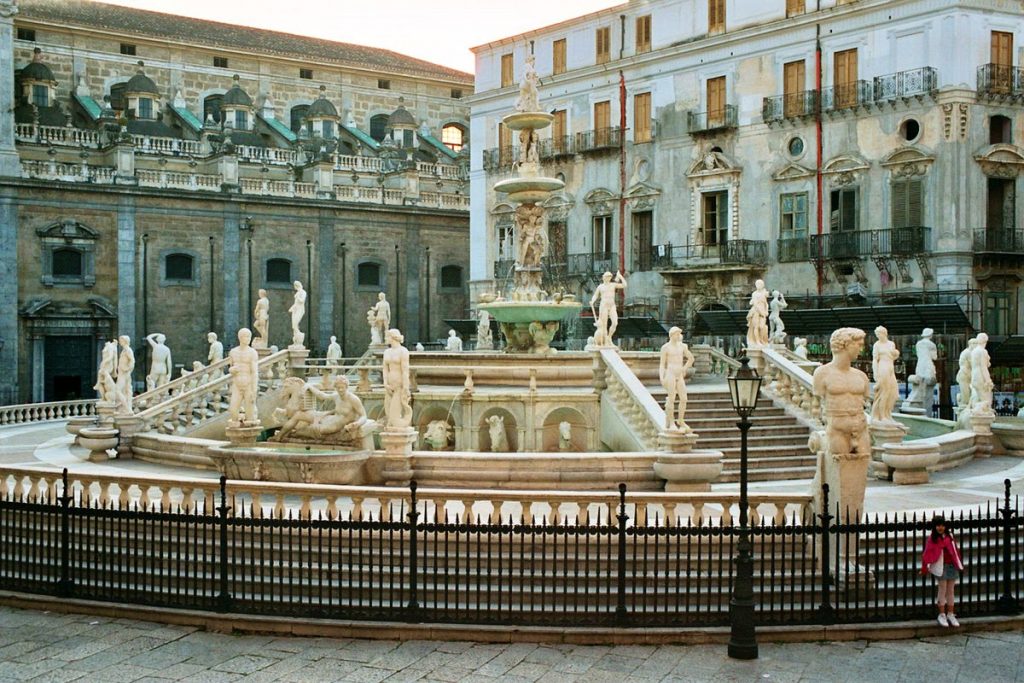
Fontana Pretoria (Piazza Pretoria, Palermo, Sicily) – this is Palermo’s most popular fountain (crafted by Florentine sculptor Francesco Camilliani in 1554 and 1555. A collection of statues can be found throughout this fountain. Interestingly, this became known as the Piazza della Vergogna (Piazza of Shame) because of the many nude statutes that surround this fountain. […]
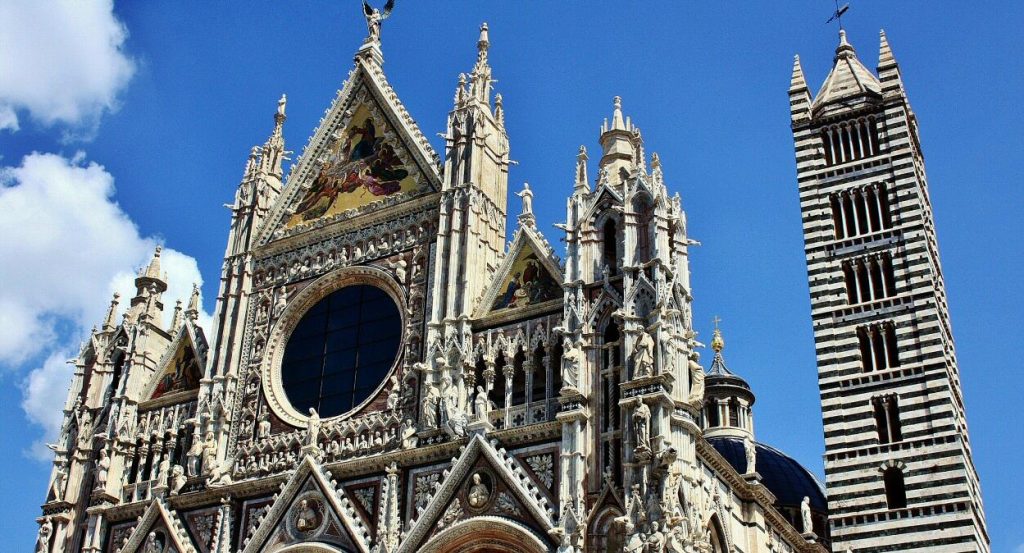
Duomo (Piazza del Duomo, Florence) – this cathedral, known as the Basilica di Santa Maria del Fiore, was completed in 1436, some decades before Columbus discovered the Americas. Architects marvel at this building since the construction of its cupola was considered a brilliant engineering feat at the time. The biggest artwork within the cathedral is […]
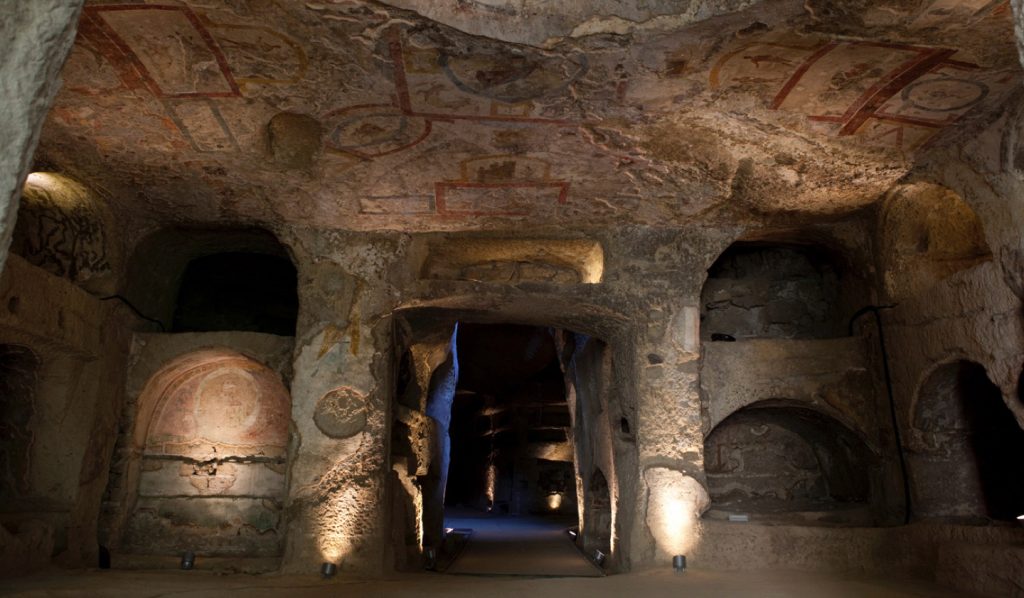
Catacombe di San Gennaro (Via Tondo di Capodimonte 13, Basilica del Buon Consiglio, Naples) – located in the northern part of Naples, this is the largest network of catacombs in southern Italy. These catacombs contain the remains of San Gennaro (the patron saint of Naples), and have been in use from the early days of […]

Castel San’Angelo (Lungotevere Castello 50, Rome) – this fortress, with the Tiber River behind it, was originally built as a mausoleum for the Roman emperor Hadrian (AD130-139). It later became a prison and even served as a papal residence (which was useful for the Pope during times of danger and warfare). The National Museum of […]
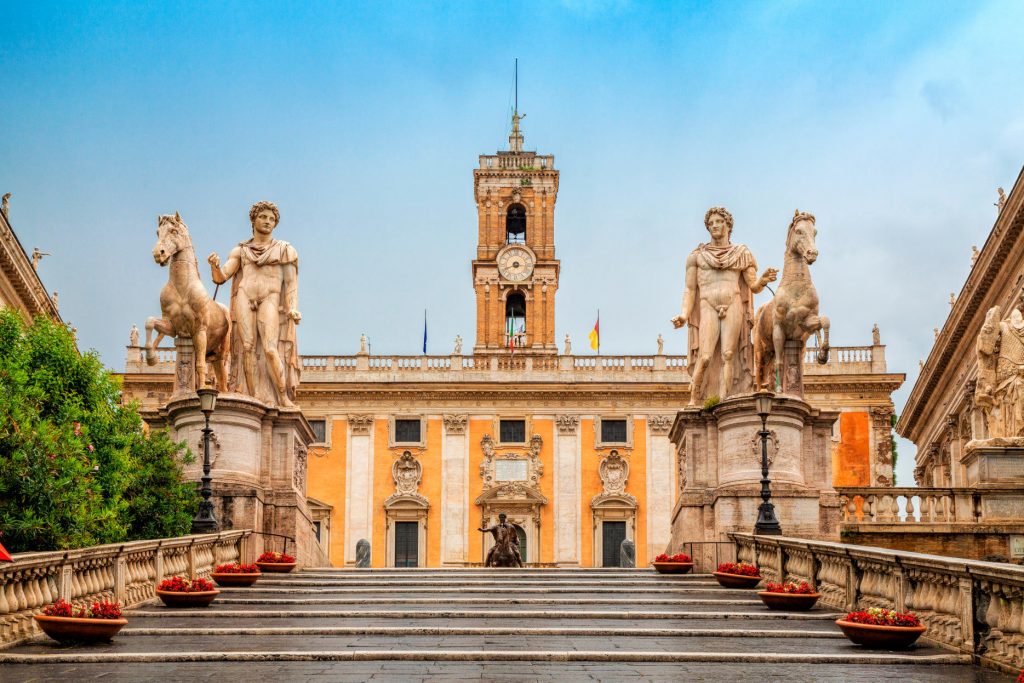
Capitoline Museums (Piazza del Campidoglio 1, Rome) – these are art and archeological museums located at the Piazza del Campidoglio (on top of Rome’s Capitoline Hills in this city). They are presently located in two buildings: Palazzo Nuovo (containing fine selections of Greek and Roman sculptures), and Palazzo dei Conservatori (once the seat of the […]
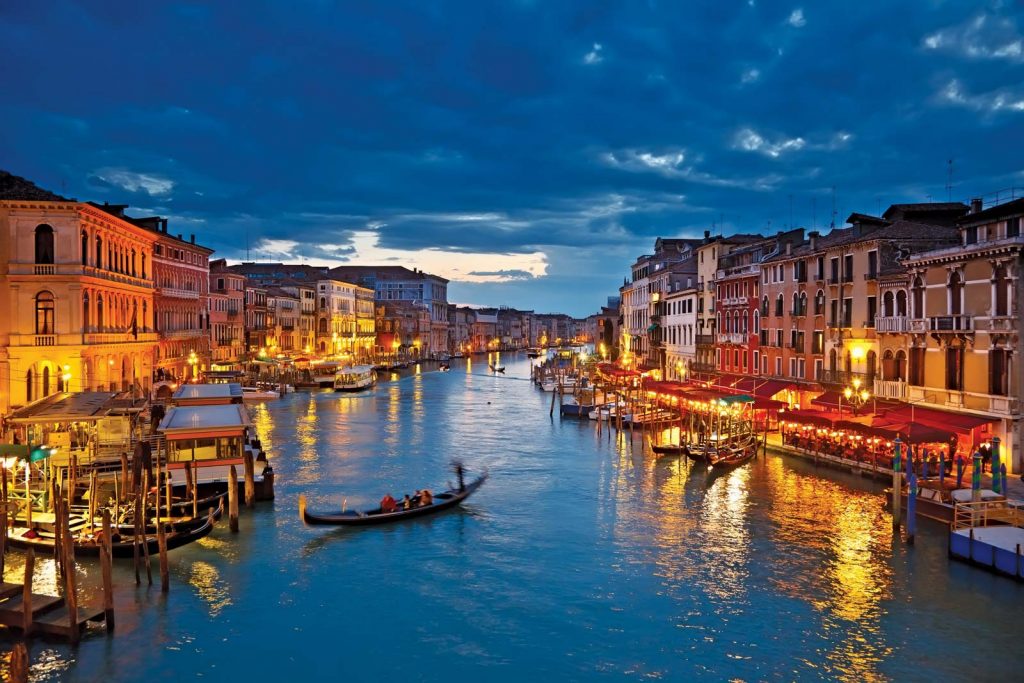
Venice – located in northeast Italy, on a group of 118 small islands separated by canals (often linked by bridges), Venice is another Italian city which rose in prominence during the medieval period, when it was the capital of the Republic of Venice (a major maritime power during those days). Much of the local architecture […]
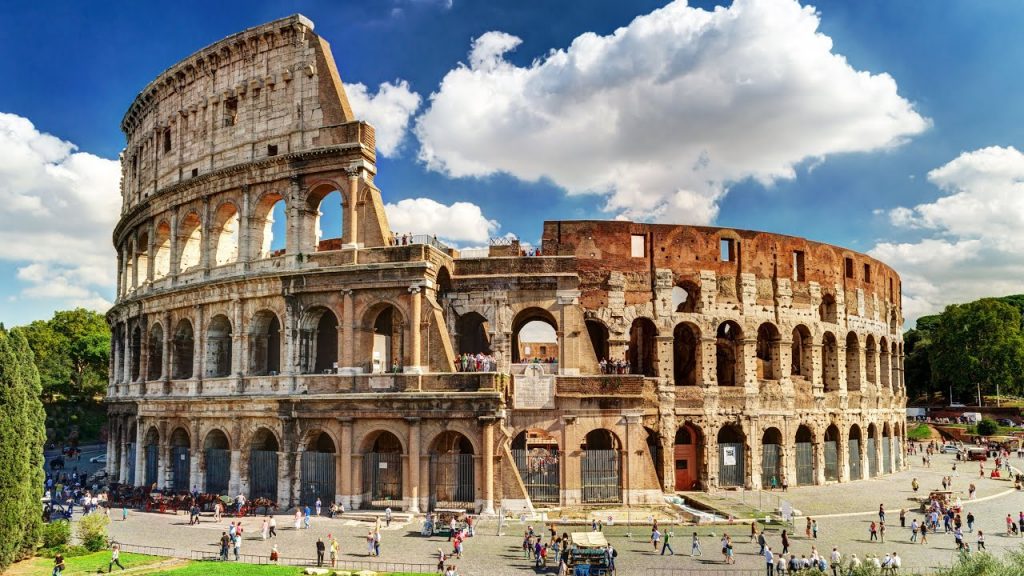
Rome — located in Lazio in central Italy and facing the Tyrrhenian Sea, the province (and city) of Rome boasts a Mediterranean climate both on the coast and further inland. The coast stretches from north to south, from the area including Fiumicino (where the international airport is) and the towns overlooking Lake Bracciano, the […]
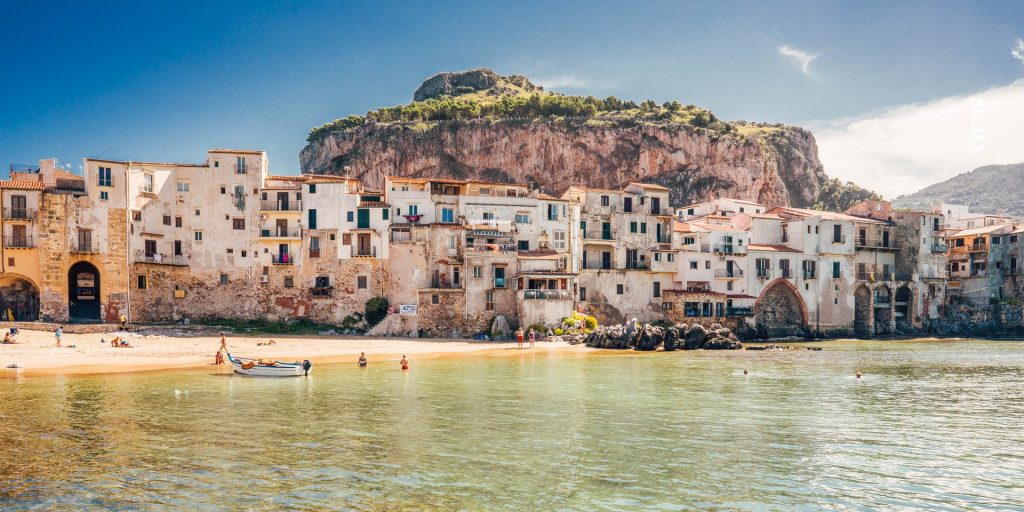
Palermo – known as the capital of the autonomous region of the island of Sicily and the province of Palermo, this city goes back even further than the Roman Empire – having been first established by the Phoenicians in 734 BC. Palermo and the rest of Sicily had the distinction of having been invaded […]
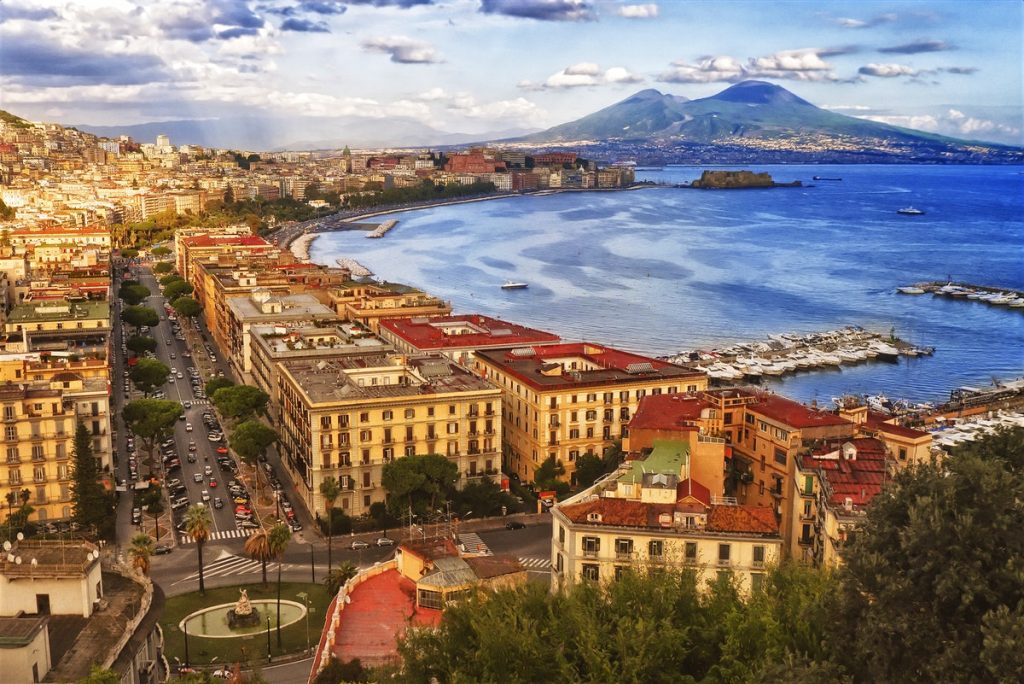
Naples – this is Italy’s third-largest city, located within the Campania region just two hours south of Rome. Its Italian name (Napoli) originally came from the Greek word Neapolis (which means “new city”). Unlike Milan (which is the de facto center of modern Italy), Naples’ history goes back to Ancient Greece – when it […]
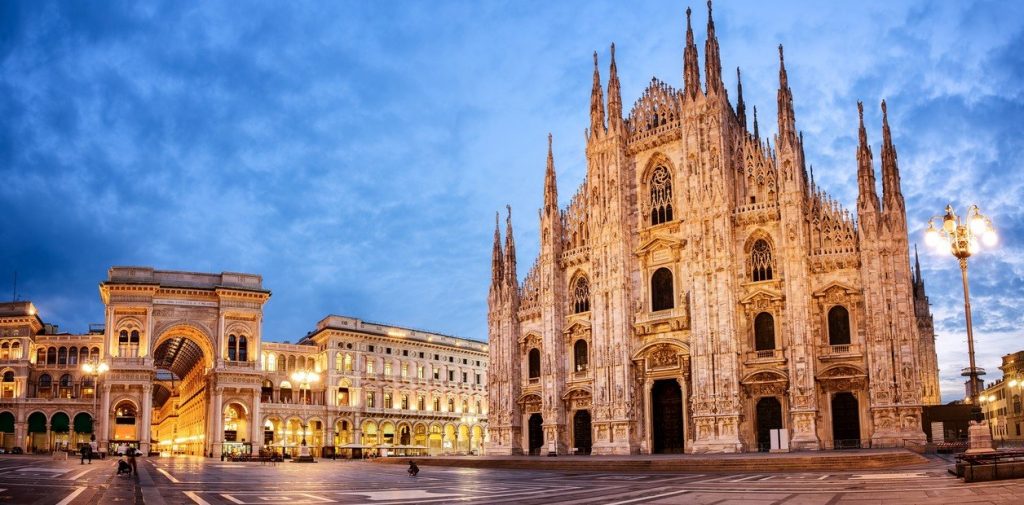
Milan – located in the heart of the Lombardia region, Milan is the country’s second largest city, and earned its reputation as Italy’s commercial & banking capital going back to the Middle Ages. More recently, during the early 20th century, Milan led the country’s industrialization efforts. The end of World War II reinforced this, with […]