Rome
Rome
Rome — located in Lazio in central Italy and facing the Tyrrhenian Sea, the province (and city) of Rome boasts a Mediterranean climate both on the coast and further inland. The coast stretches from north to south, from the area including Fiumicino (where the international airport is) and the towns overlooking Lake Bracciano, the largest in the province, to the border with the province of Latina.
Over the centuries, Rome has exerted political, cultural and/or spiritual influence, whether during the Roman Empire years (when it occupied areas as far east as Israel & Lebanon, as far south as Libya, as far west as Spain, and further to the northwest into England); during the Renaissance, when artists like Leonardo DaVinci and Michelangelo marveled the world with their artwork and innovations; and over the centuries, when the Vatican (the seat of the Roman Catholic Church) has long provided spiritual guidance to the Church’s followers.
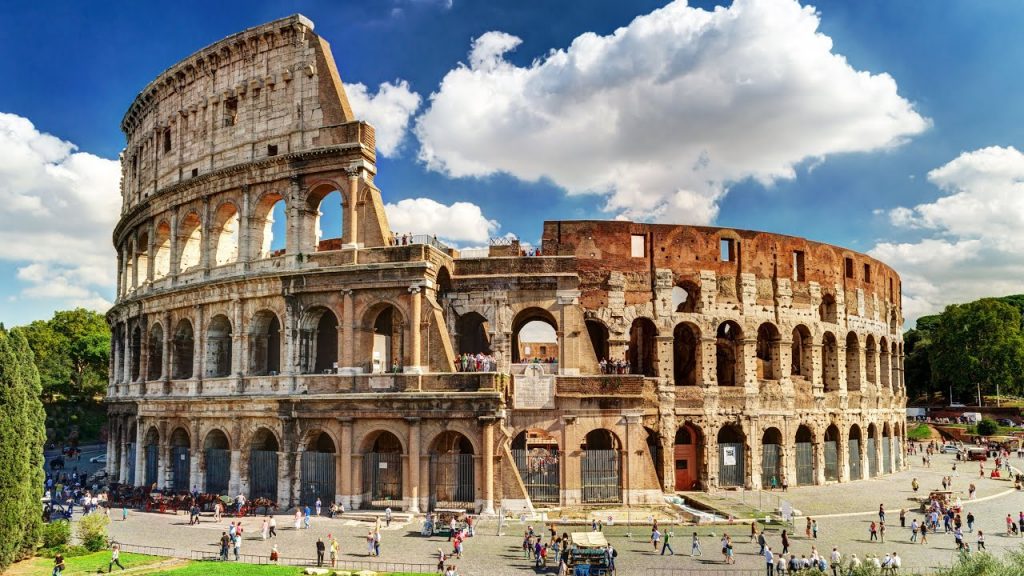
Rome became the capital of Italy as a result of the unification of the various states within the Italian Peninsula (from the Savoy – facing the Alps, to Sardinia, to Sicily), which took place in 1861, thanks in part to efforts by political figure Giuseppe Garibaldi. Since then, aside from sights dating back to both the Renaissance period (e.g. St. Peter’s Basilica at Vatican City) and the Roman Empire (e.g. the Colosseum), more recent touristic attractions are found toward the outskirts of the city as a result of dictator Mussolini’s failed efforts to bring back the Roman Empire during the early 20th century. Buildings constructed during that time had Fascist architectural style, particularly within the southwest suburb of the city known as EUR (Esposizione Universale Roma) – which later became Italian government buildings and museums. Tourists fly direct into Rome, or arrive by rail or car from elsewhere see these sights and more.